Why UV Curing is a Lifesaver in Textile Mills
Most people think UV lamps are just for drying ink. But if you’ve ever spent time on a production floor, you know they do so much more. They’re basically the “on switch” for the chemistry that turns raw fiber into a finished garment. We build these systems to handle that entire journey, making sure the polymers lock in exactly when and where they should.
Getting the Tech Right
Here is the thing: you can’t just throw any lamp at a piece of fabric and hope for the best. It all comes down to wavelength. If you need a crisp, hard surface cure, you go with short-wave UV. But if you’re working with thick fabrics and need the cure to sink deep into the weave, you need longer wavelengths. Then there’s the balancing act between power and speed. If your conveyor is flying but your wattage is too low, the resins won’t set. You’ll end up with “blocking”—which is just a fancy way of saying your fabric is sticking to itself like a giant piece of tape. On the flip side, crank the power too high on a delicate synthetic, and you’ll scorch the material. Not a good look.
Fitting it Into Your Shop
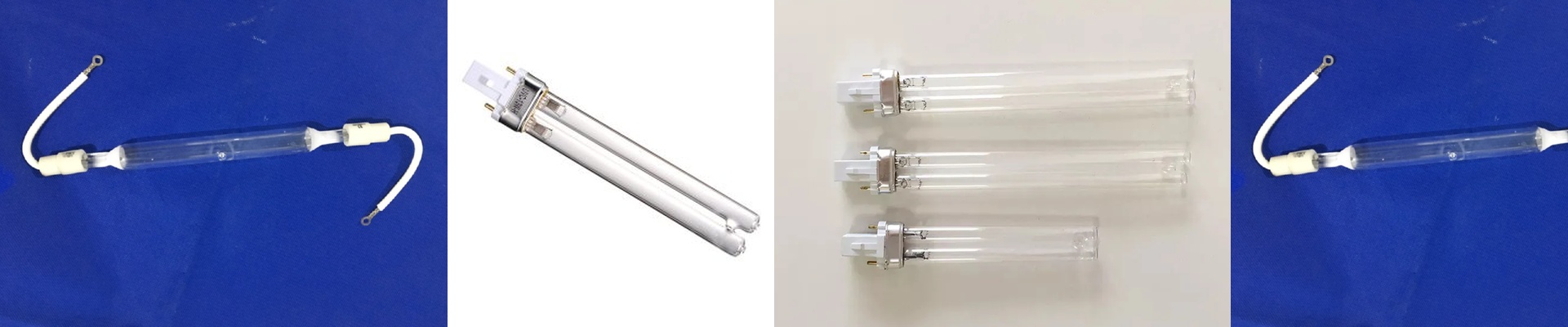
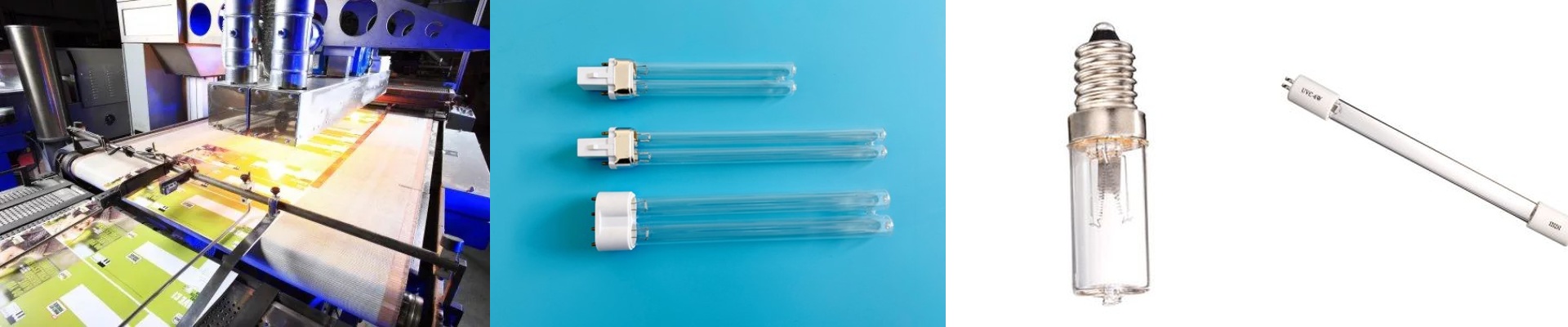
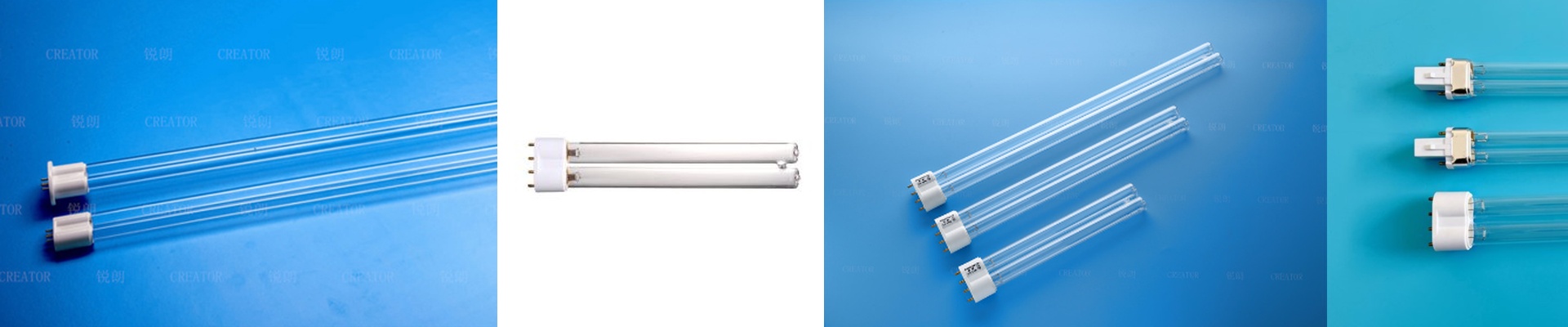
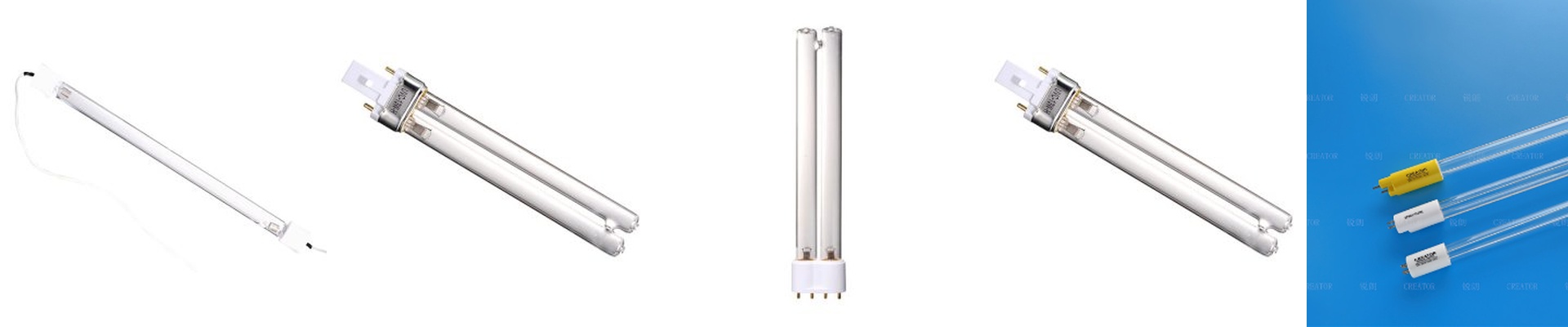
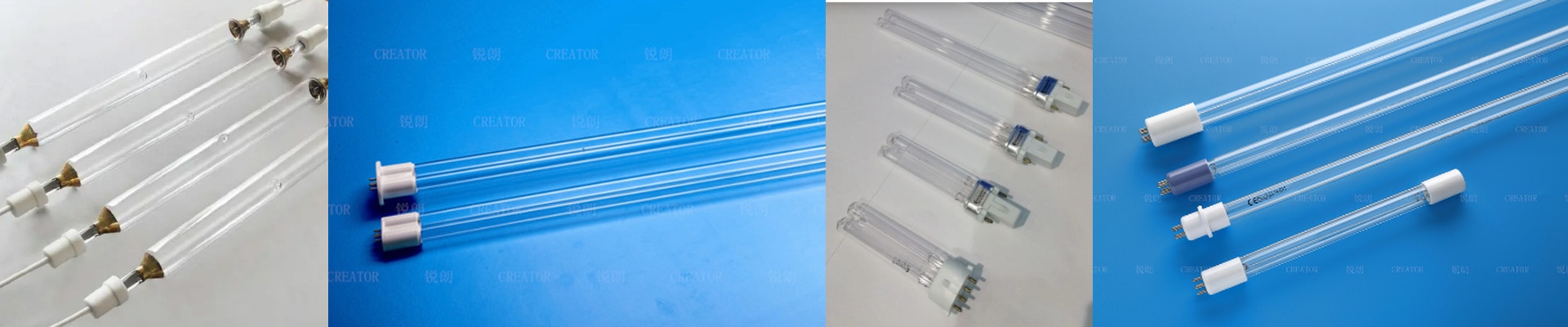
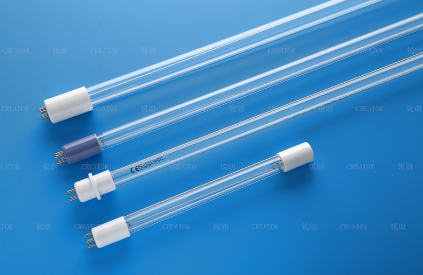
We know space is usually a nightmare in these plants. That’s why we make our lamps fit into those tight, awkward gaps in your machinery. We use custom lengths and connectors so you can just swap them into your existing rig without a headache. Most of our gear uses quartz glass to let as much UV light through as possible. But if your shop is messy—lots of lint or chemical splashes—we can add a coating to protect the glass. But here is where a lot of people mess up:cooling. High-intensity lamps get hot. Really hot. If you don’t have the right airflow to pull that heat away, your lamp is going to burn out way too soon, or worse, you’ll warp the fabric right under the bulb.
Where it Actually Happens
UV lamps wear a few different hats depending on where they sit in your line: ***The Start:**They lock primers onto the fiber during pre-treatment. ***The Middle:**They snap UV inks into place instantly for those sharp, clean details. ***The End:**They set the final hydrophobic or flame-retardant coatings. The best part? You can ditch those massive thermal ovens. Instead of a 20-meter drying tunnel taking up half your floor, you get a 1-meter UV station. It’s a massive win for your footprint.