Getting Your UV Curing Right
Here is the thing about UV technology: it’s way more than just swapping out a lightbulb. Whether you’re printing or sterilizing, it all comes down to hitting your target with the right amount of light to actually get the job done. We don’t just ship you a box of parts and wish you luck. We sit down with you to figure out exactly which wavelength and intensity you need for whatever material you’re working with.
The Tug-of-War with Intensity
If you want a good cure, you need enough energy hitting the surface every second. Simple enough, right? But then you speed up your production line. Now you’ve got a problem. To keep things from coming out under-cured, you either have to crank up the wattage or move the lamp closer. But there’s a catch. High-output lamps gethot. Like, really hot. If your cooling system can’t keep up with that heat, your lamps are going to die early, or worse, your materials will start to warp. It’s all a balancing act.
The Little Things That Break Everything
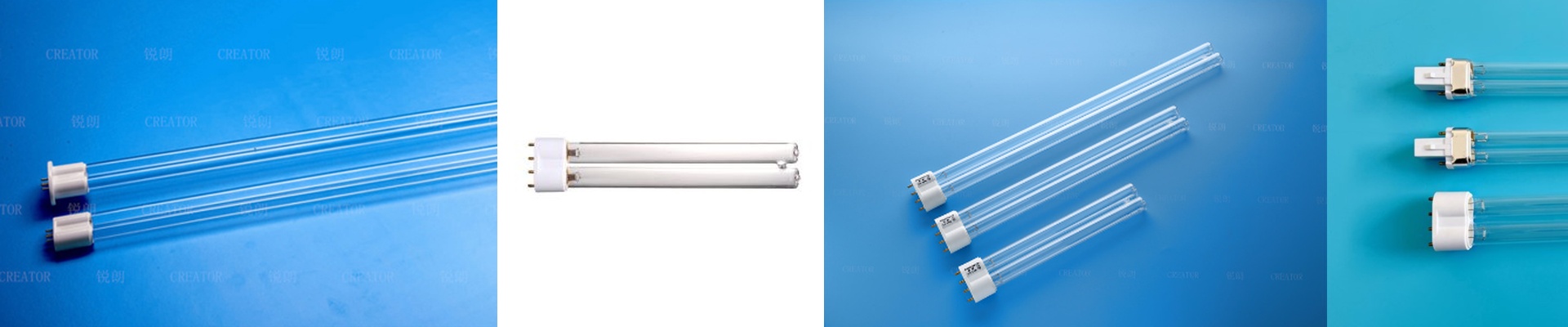
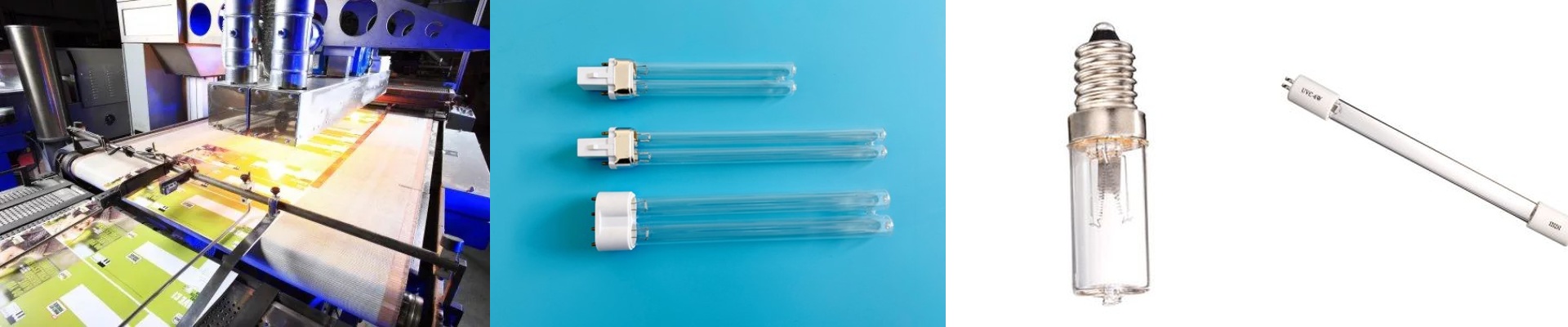
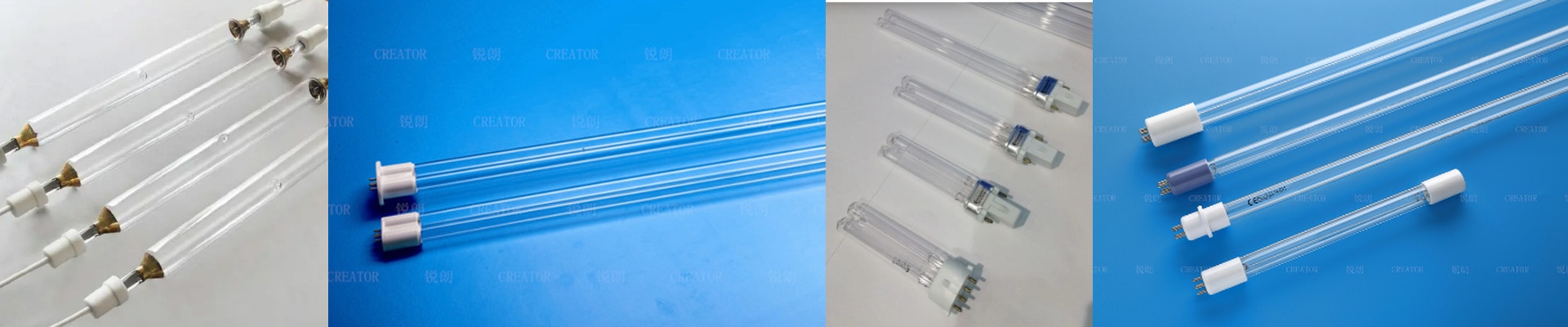
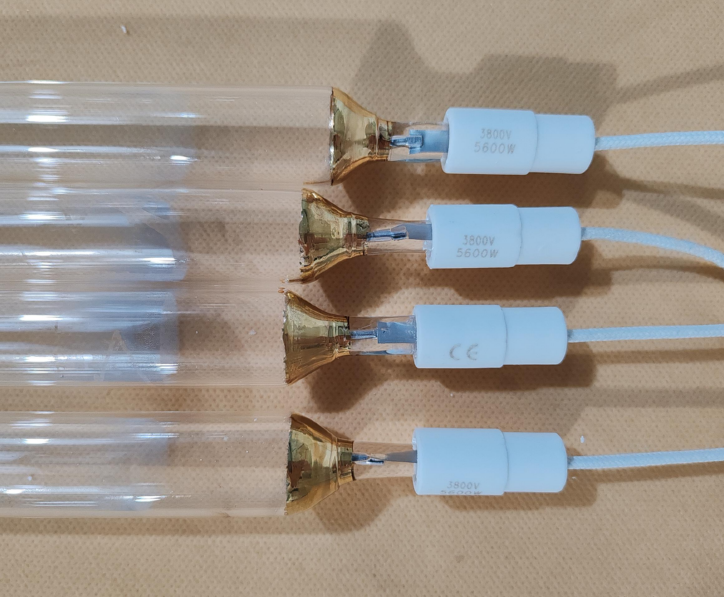
Most setups fail because of the boring stuff—the connectors and the quartz sleeves. If you have a loose electrical contact at the base, you get arcing. That’s basically a tiny lightning bolt that fries the ends of your lamp. We make sure everything fits tight so you aren’t losing voltage or wasting money on replacements. Then there’s the light itself. If you’re doing deep-cure sterilization, you want shortwave UV. If you’re dealing with thick layers of ink, you need longer wavelengths. You have to match the lamp to the chemicals in your ink. If they don’t play nice together, your surface will stay tacky and sticky no matter how long you leave it under the light.
Finding the Sweet Spot
It’s tempting to just blast everything with maximum intensity to speed up the line. But that puts a massive strain on your power supply and ballasts. You can’t just shove more current through a lamp and expect it to be fine. Eventually, it’ll blow. We help you find that middle ground—the spot where your product cures perfectly, but you aren’t replacing your hardware every three months.