Dealing with Electrical Noise in Big UV Curing Arrays
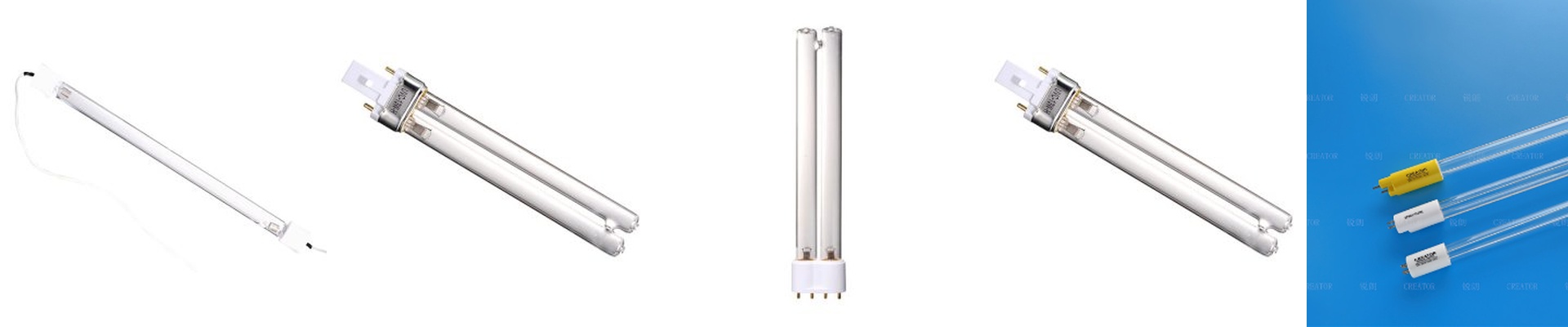
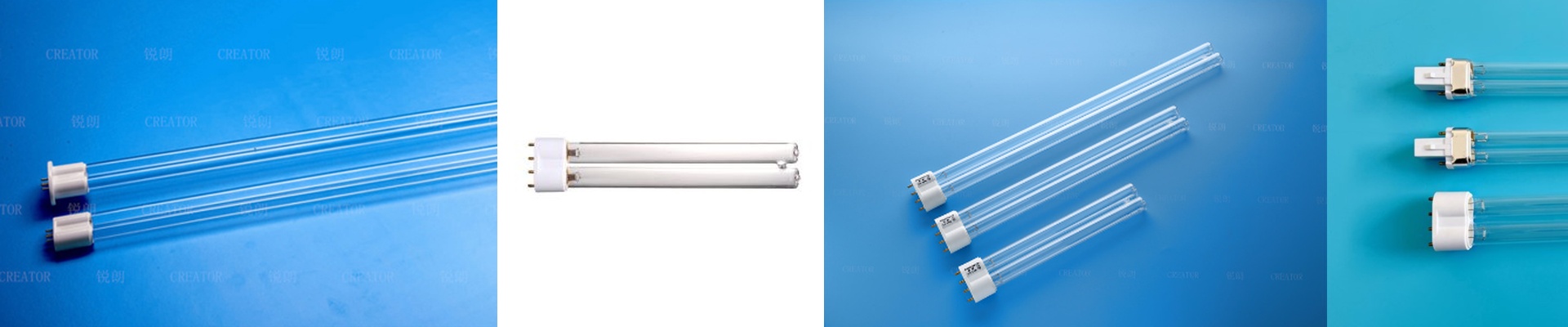
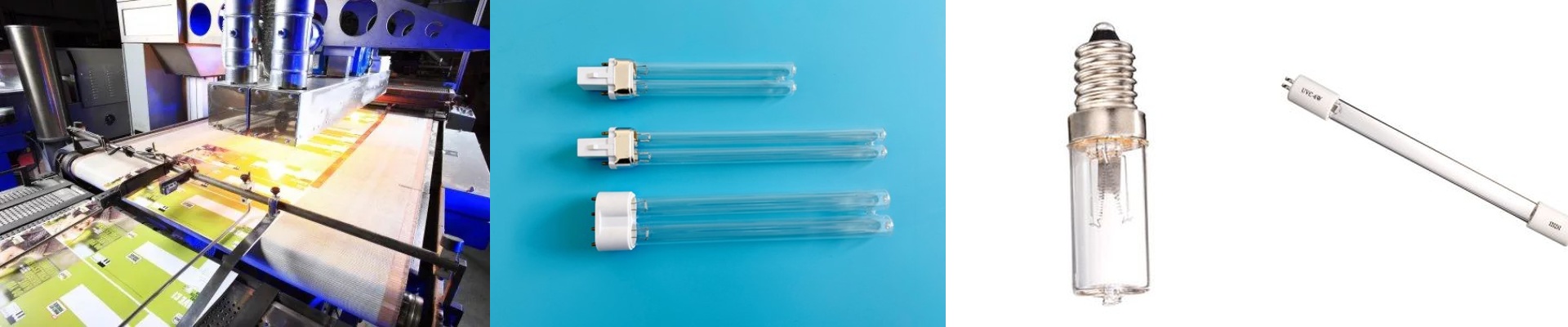
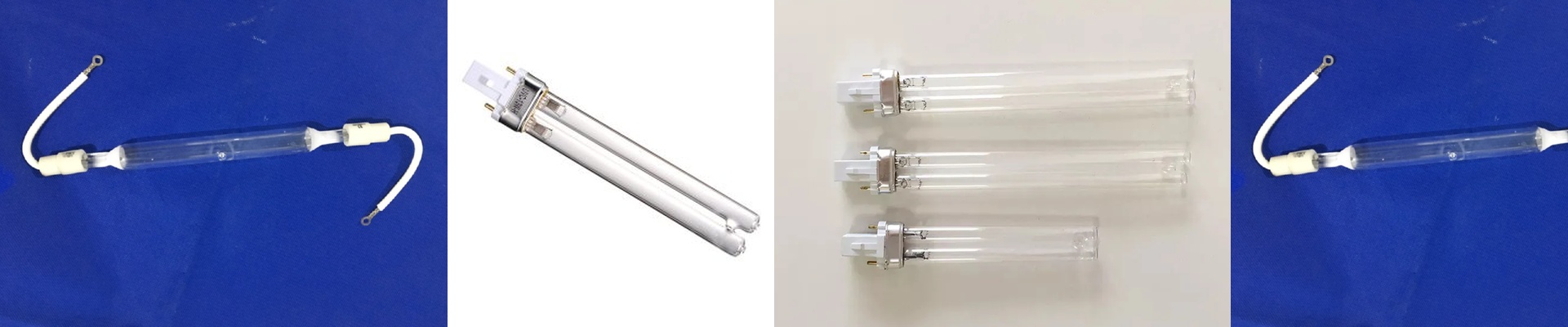
Mercury UV tubes are the backbone of industrial printing. If you’re just running one lamp, you probably don’t have any issues. It’s simple. But things change when you scale up. When you’ve got multiple massive presses humming away in the same room, you start dealing with electrical noise—or EMI. It’s basically electrical chaos, and it can be a real pain to manage.
Keeping the Lights On
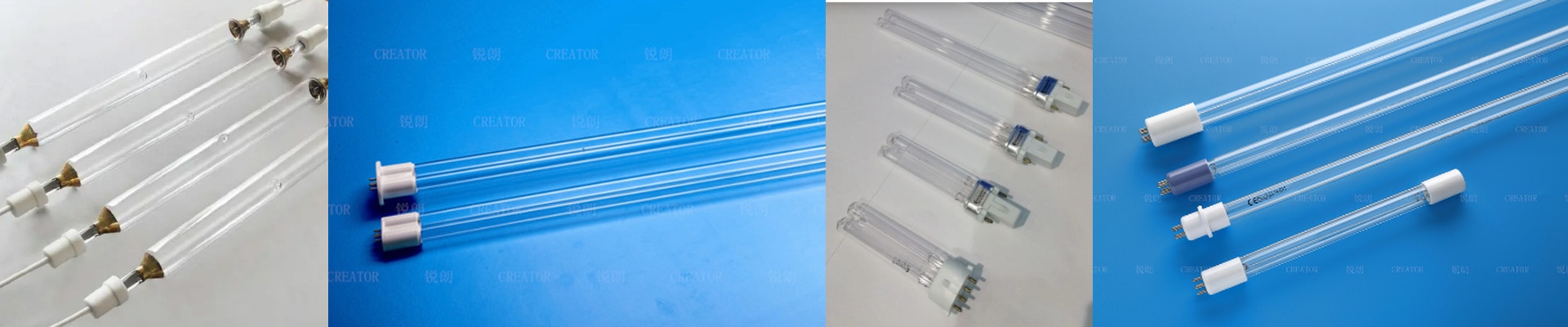
We built our long-life mercury tubes specifically for the messiness of a busy shop floor. Most UV systems start to flicker or just give up because the ballast can’t keep a steady arc going. This usually happens the second a neighboring machine kicks into gear. To stop that, we tweaked the electrode geometry and used a higher grade of pure quartz. We also tightened the tolerances on the internal mercury vapor pressure. Why? Because it means the lamp stays lit even when your power grid is taking a beating from other heavy equipment. You just get a steady stream of UV, regardless of what’s happening around you.
The Trade-off: Stability and Heat
Getting this kind of resistance isn’t magic; it takes the right materials. We use a specific glass formula that can handle the thermal stress of running high wattage consistently. It stops the tube from burning out early when your voltage starts jumping around. You’ll really see the difference in a multi-press setup. Standard tubes often flicker or lose intensity. That leads to uncured ink and a pile of wasted material. Our tubes just hold their ground.
A Few Tips for Setup
These are drop-in replacements, so they’re easy to swap into most industrial arrays. But here’s the thing: check your cooling. High-stability lamps get hot. Really hot. If your airflow is sluggish, that quartz is going to overheat, no matter how well the lamp handles the electrical noise. Plus, keep your reflectors clean. It helps the UV throw further and takes some of the pressure off the lamps.