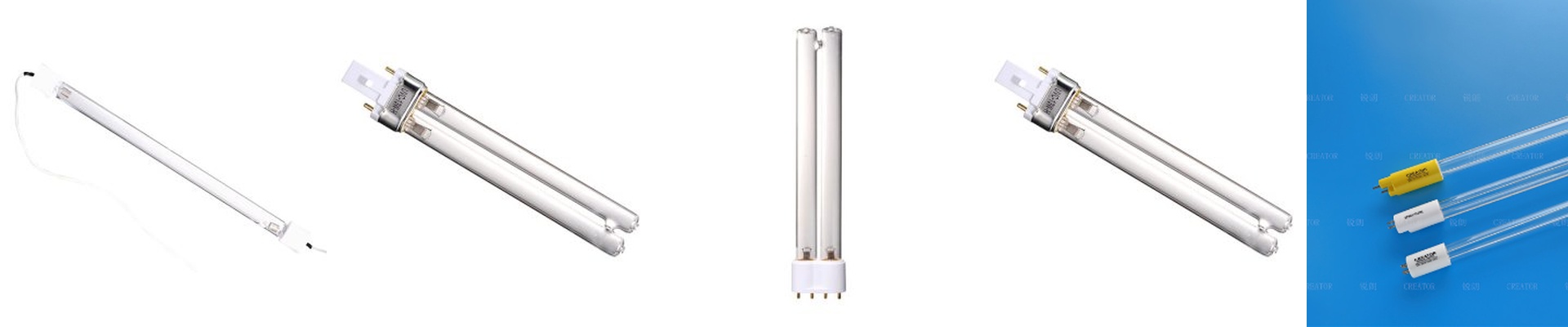
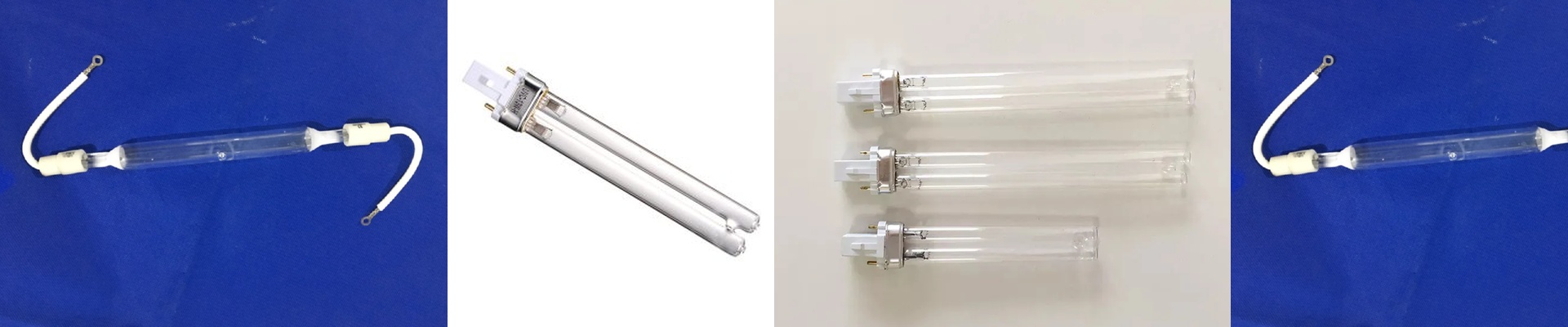
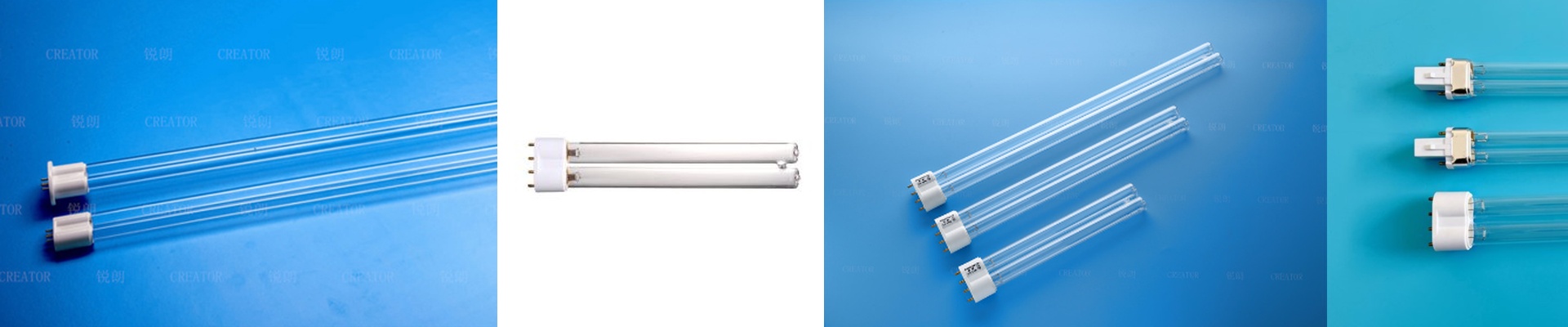
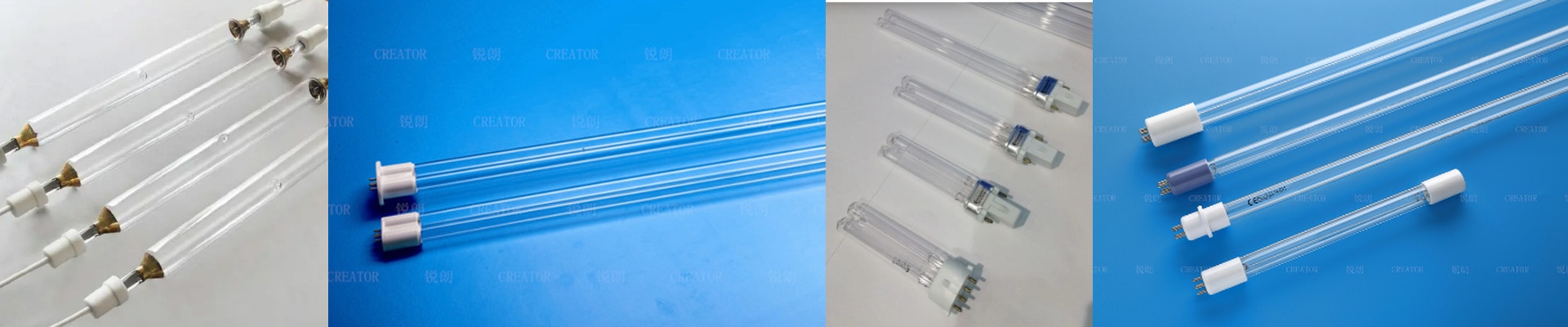
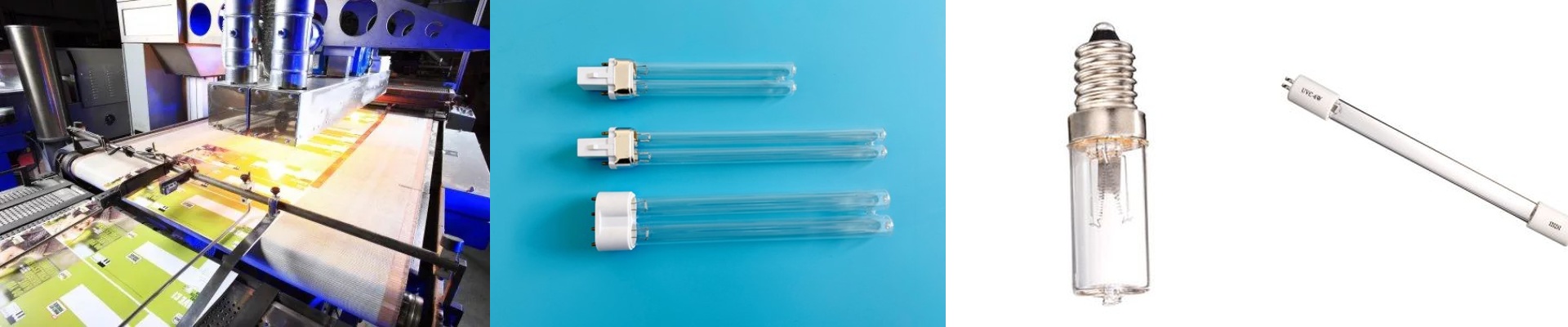
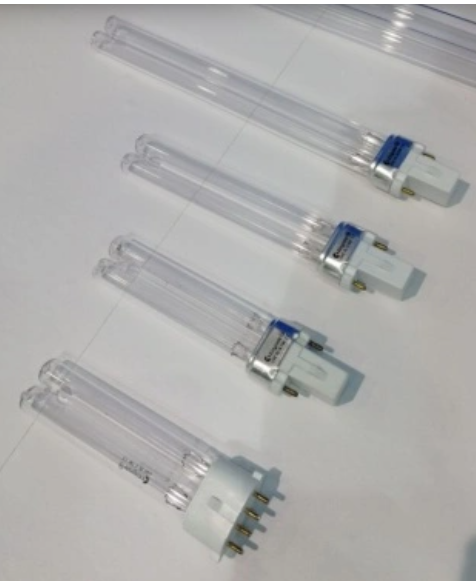
Why that CE Label Actually Matters for Your UV Lamps
If you’re shipping UV lamps into the EU or other top-tier markets, you’ll see people talking about CE certification like it’s just some paperwork you need to check off. It’s not. It’s really about peace of mind. You want to know that when your gear plugs in at a client’s facility, it isn’t going to blow a fuse or, worse, start a fire. By 2026, the world is going to split into two camps: the “generic” stuff and the certified gear. If you’re on the wrong side of that line, you’re going to have a hard time doing business. The nitty-gritty of how it’s built Certification forces us to be disciplined. We have to look closely at things like electromagnetic compatibility (EMC) and Low Voltage Directives (LVD). Here’s the thing: when you’re running a high-wattage UV system, you can get a lot of electrical “noise.” If your lamps aren’t built right, that interference can bleed into your sensors or mess with your PLC. It’s a nightmare to troubleshoot. CE-certified lamps are tested to make sure they play nice with the rest of your production line. Quality you can actually feel You can’t cut corners if you want that stamp of approval. We use high-grade quartz and insulation that can take a beating. These lamps don’t just crack the moment they hit some thermal stress. Compare that to the cheap imitations. They often use low-grade materials that burn out way too fast or leak ozone into the air—which is a safety risk you just don’t want. By sticking to these European standards, we make sure every single batch performs exactly like the last one. The honest truth about the cost Look, doing things the right way costs more. Third-party audits and sample testing aren’t free. You’ll pay more upfront for a CE-marked lamp than you would for some no-name version from a random catalog. But think about the alternative. You’re paying to avoid having your shipment seized at customs or dealing with a field failure that grinds your entire curing line to a halt. Just a heads-up: the label isn’t a magic wand. If your cooling system can’t handle the heat these high-output tubes put off, you’re still going to hit an overheat shutdown. You still need a smart thermal plan to keep everything running smooth.