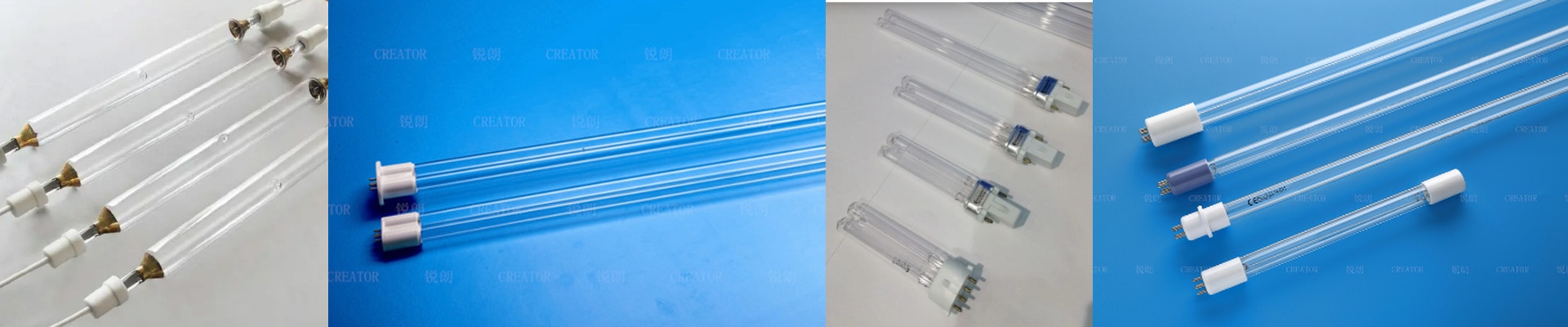
Why GaI Lamps Actually Matter for Your PCB Line
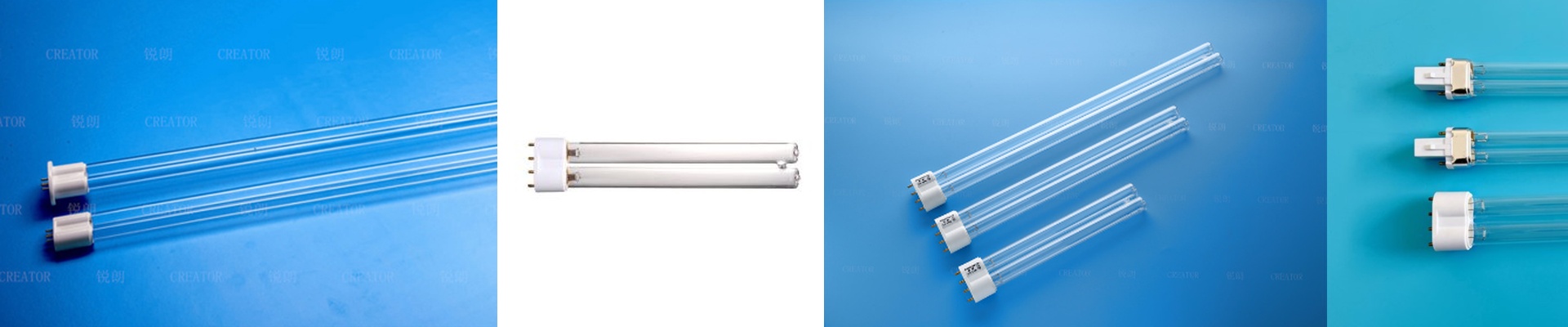
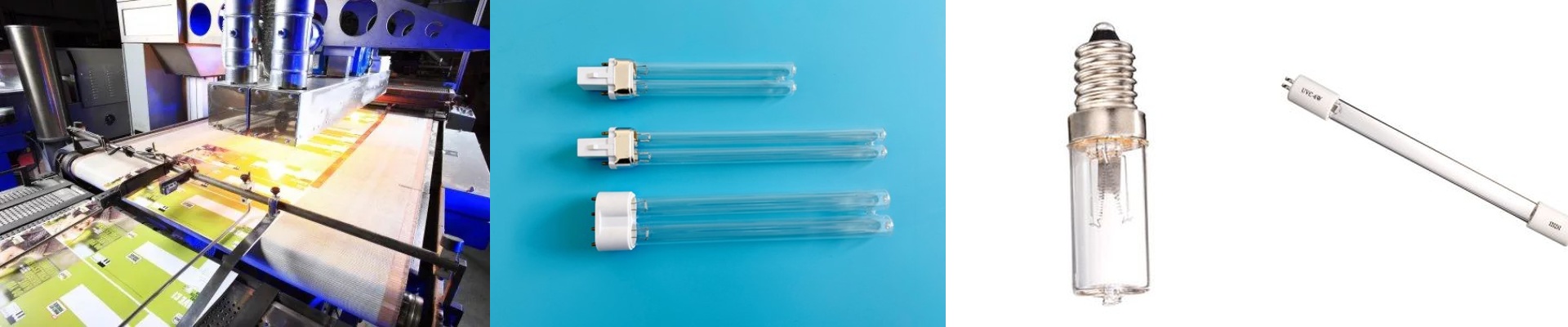
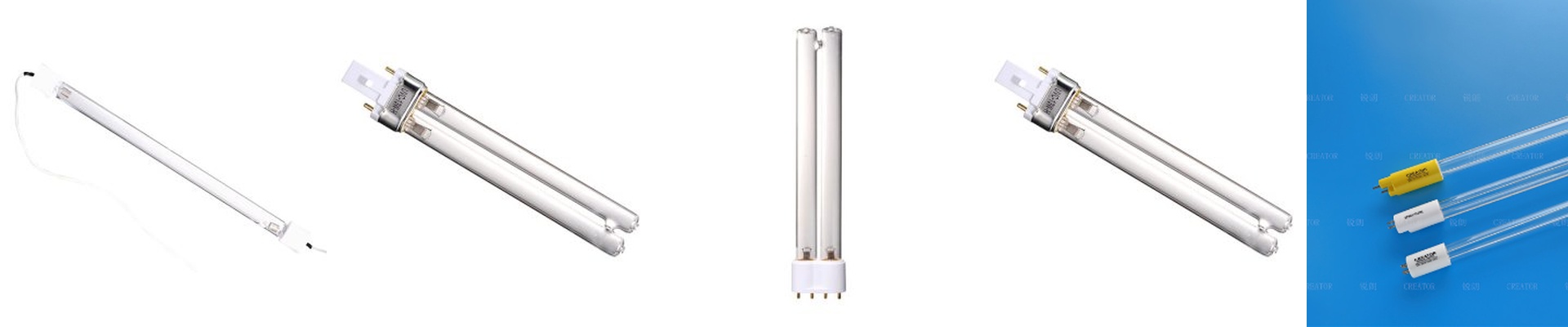
If you’re making PCBs, you know the drill: you need the right UV wavelength to get that photoresist to polymerize. Most people stick with standard mercury lamps, but we use Gallium Iodide (GaI). Why? Because GaI pushes the light toward the shorter UV-C range. It’s that specific sweet spot of energy that cures thin-film resists perfectly without cooking the substrate.
Getting the Energy Right
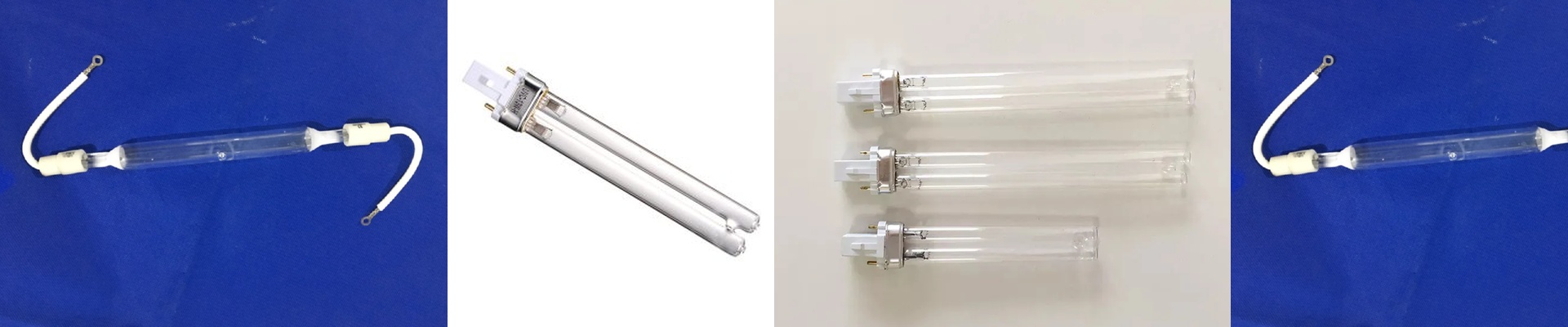
Here’s the thing about GaI lamps. They work by ionizing gallium iodide vapor, which creates a concentrated peak in the UV spectrum. It doesn’t just sit on the surface; it digs deep into the photoresist layer. When you’re picking these for your line, you’re really looking at the irradiance. We spend a lot of time calibrating the wattage so the dose is the same across the entire board. If that energy density dips even a little, you’re looking at under-cured spots and “wash-outs” during development. And nobody wants to scrap a batch because of that.
The Heat Problem
Now, let’s be real: running these lamps at high intensity creates a ton of heat. You can’t just plug them in and hope for the best. First, the quartz envelope has to be high-purity. If it isn’t, the glass clouds over—what we call solarization—and your UV output just vanishes. We’ve made these a drop-in replacement for most UV tunnels, but**check your cooling fans.**If your airflow is weak, the heat will warp your boards or ruin the resist before it even has a chance to cure. It’s a quick fix, but a critical one.
Making it Work in Your Factory
These lamps are a lifesaver when you move to thinner PCB cores or resists that cure faster. They seriously cut down the time your boards spend sitting in the curing oven. We’re confident they’ll perform just as well as the big-name global brands. In fact, if the cure rate doesn’t hit those benchmarks on your line, we’ll make it right with full compensation. It’s a simple trade: you get higher energy intensity, and in return, you get your boards moving through the factory much faster.