Getting Curing Right with Gallium Iodide UV
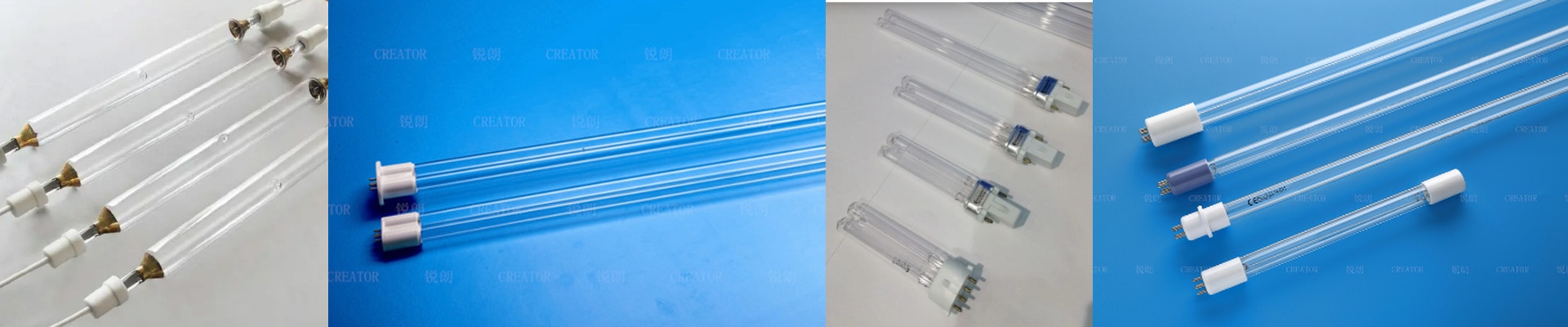
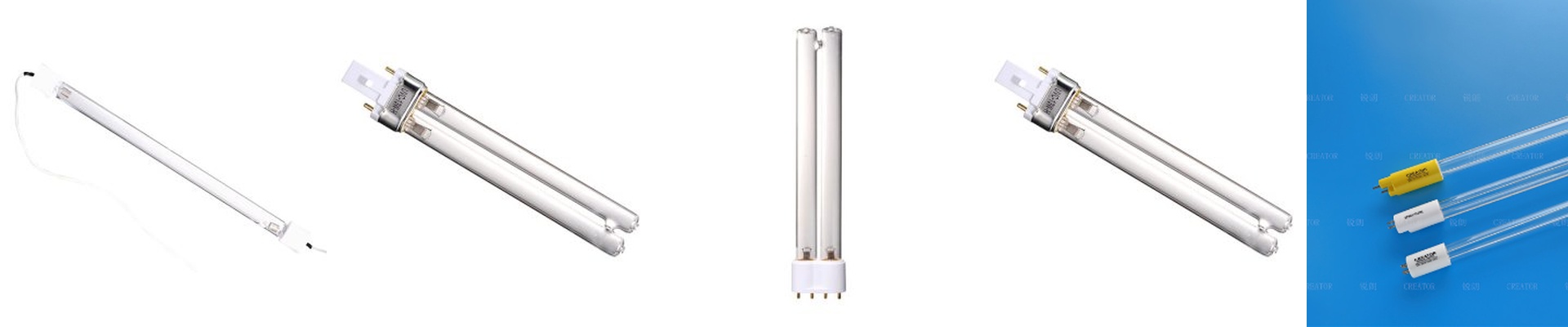
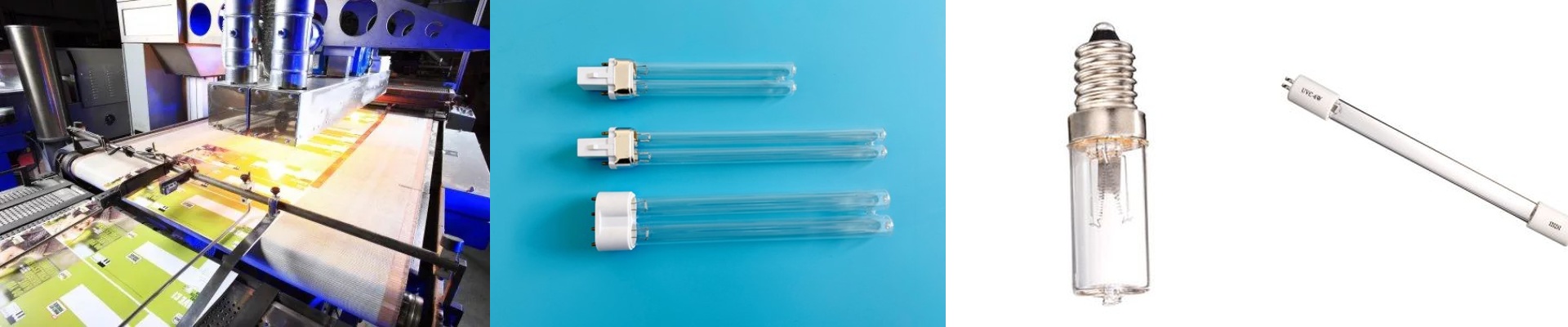
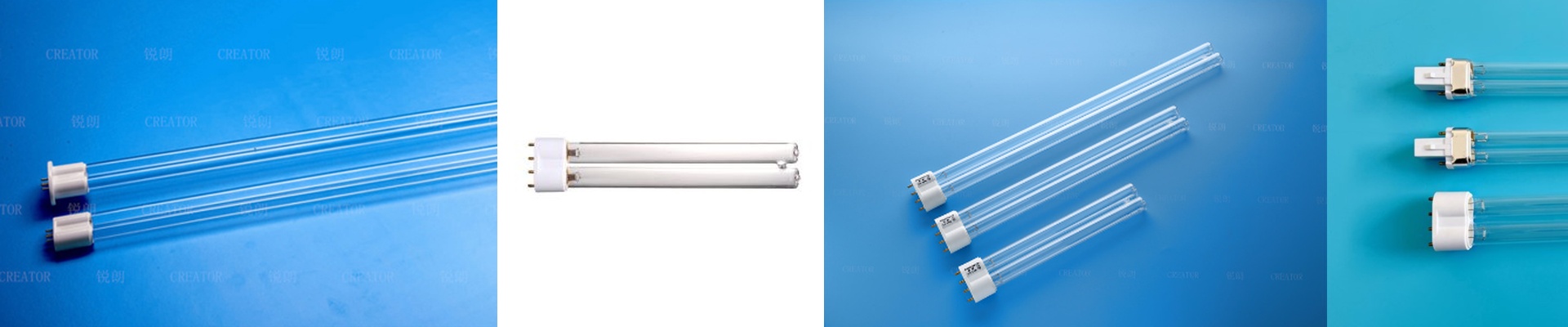
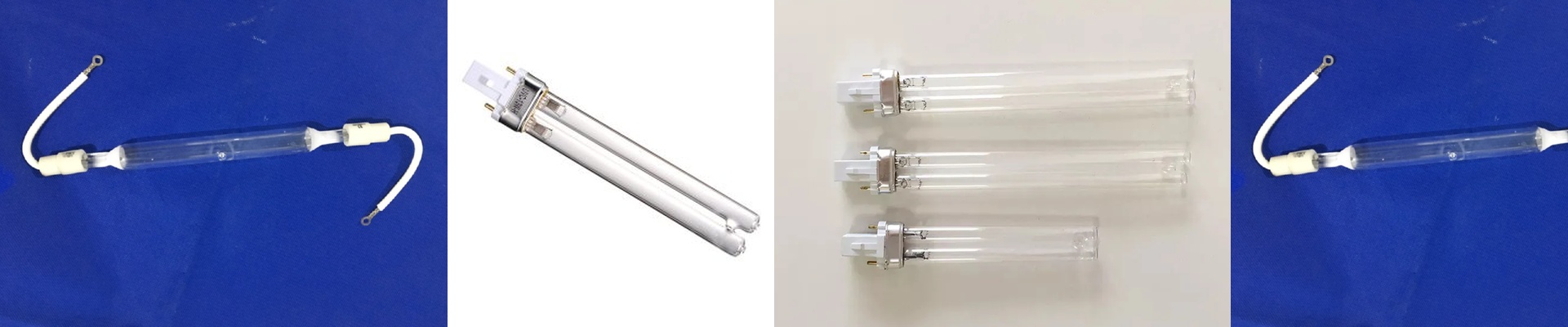
If you’ve spent any time in PCB fabrication, you know the struggle of getting solder masks and photoresists to polymerize just right. It’s a balancing act. That’s why we use Gallium Iodide (GaI) lamps. Instead of the broad, messy output you get from standard mercury vapor lamps, GaI hits those specific UV wavelengths that actually trigger the chemical reaction. You get a full cure without accidentally baking your substrate. The trade-off: Speed vs. Heat Here is the thing about the physics here: GaI has a much narrower emission peak. In plain English? More photons hit the target, and way less energy is wasted as infrared heat. When you’re setting up your line, you’re basically playing a game of “wattage vs. conveyor speed.” Sure, cranking up the power density lets you run the line faster. But there’s a catch. If you push the wattage too hard without enough airflow, you’re going to warp your boards or burn out your lamps way sooner than you’d like. The Gear We use high-purity quartz for these lamps so the glass doesn’t soak up the UV light it’s supposed to be emitting. We also obsess over the connectors. They have to be tight. If they aren’t, you’ll get arcing at the electrodes the second you hit that high-voltage startup. And a quick tip: check your ballast. If the impedance doesn’t match the lamp, you’ll deal with annoying flickering or a lifespan that’s way shorter than it should be. Real Talk from the Shop Floor These lamps are finicky. I can’t stress this enough:keep them clean. One single fingerprint on that quartz tube creates a hot spot. That hot spot leads to a crack, and then you’re replacing the whole thing. Wear lint-free gloves. Every time. Also, keep an eye on your dwell time. These lamps are powerful. If the board sits under the light too long, the intensity can start eating away at the organic components. Spend a little time tuning your height and speed—it’s the only way to avoid over-curing.