Getting Your PCB Curing Right with Gallium Iodide
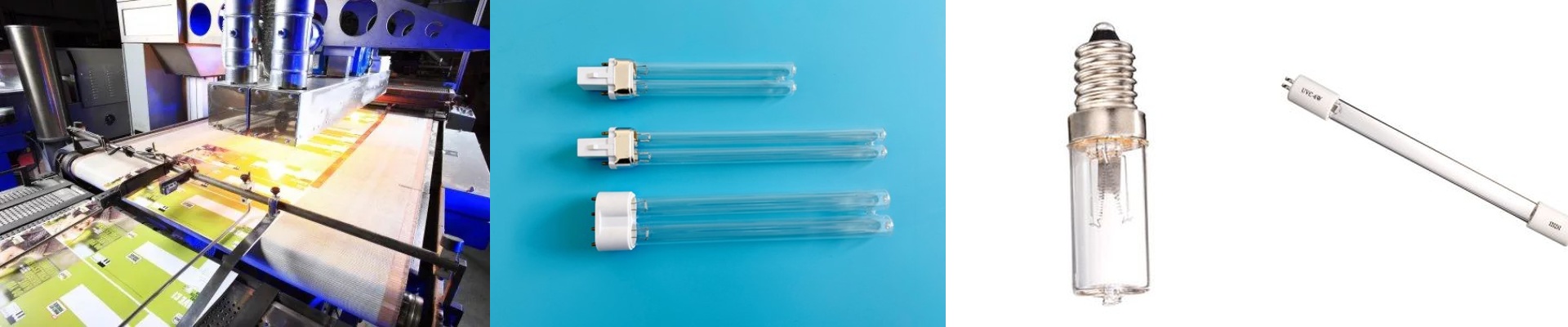
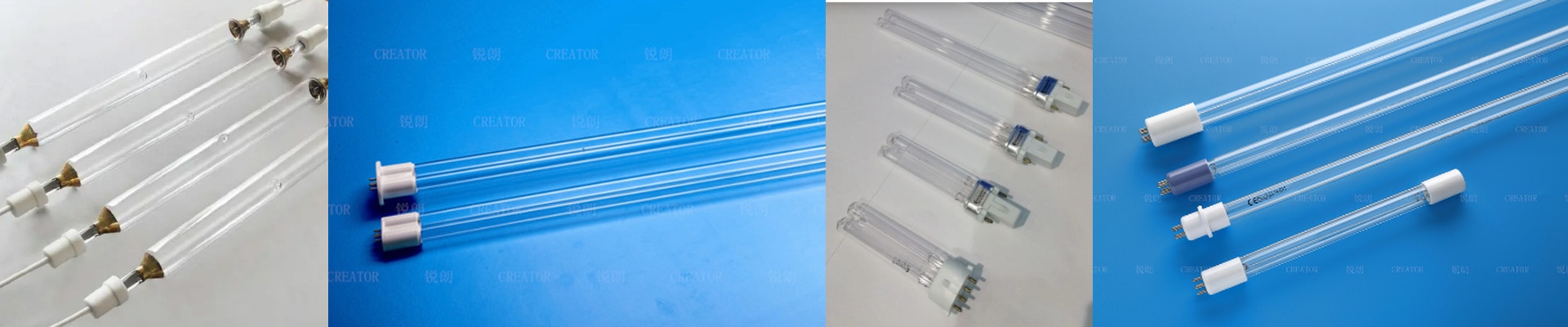
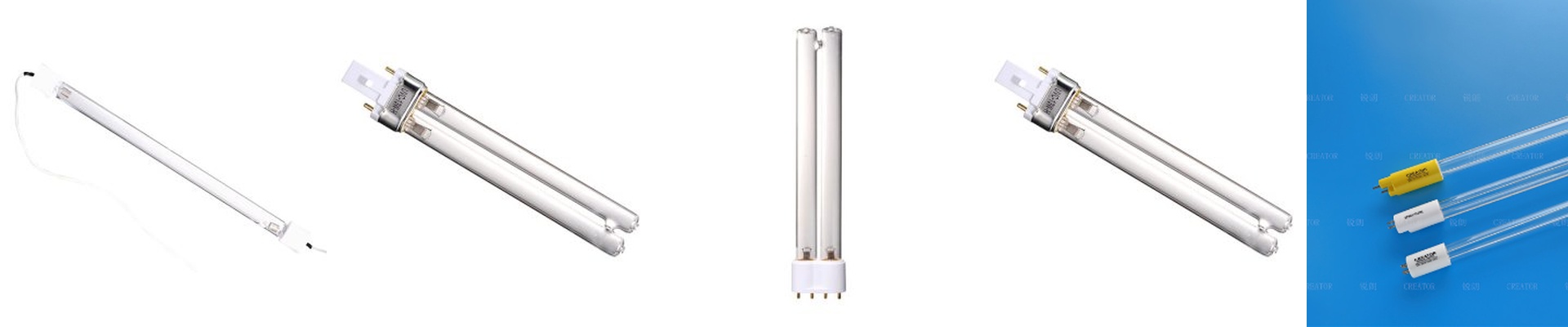
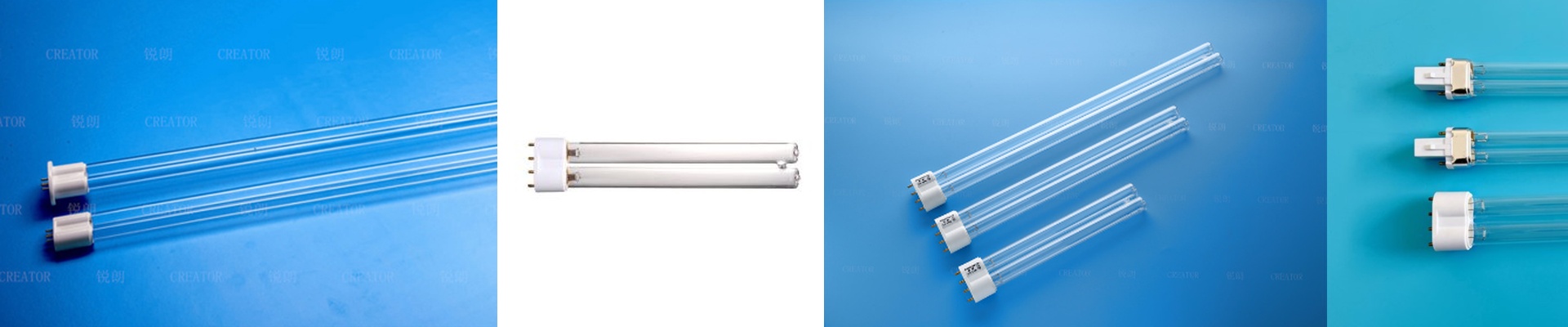
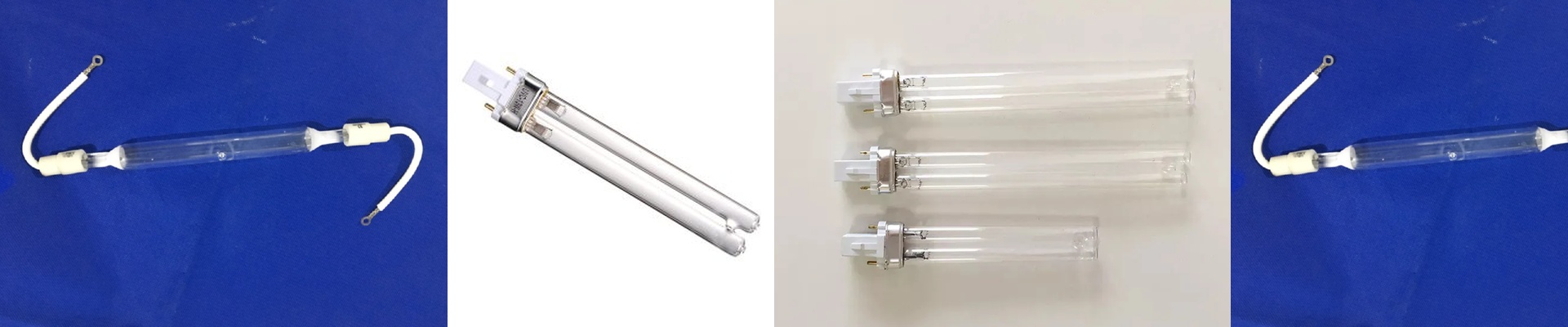
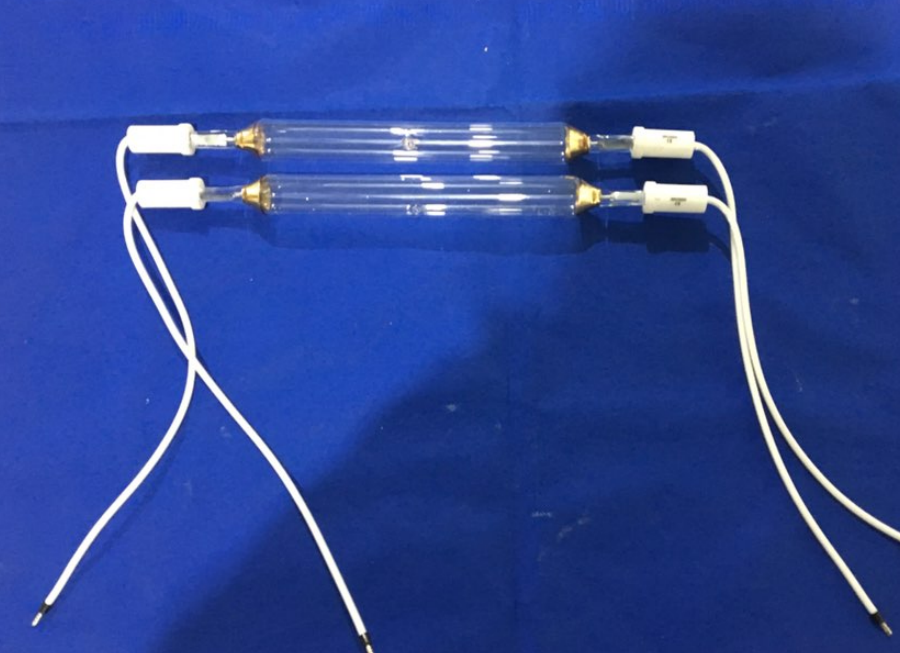
If you’re in the PCB game, you know the struggle of curing photoresists. You need the heat to dry the substrate, but you can’t just blast it, or you’ll fry those delicate copper circuits. That’s where our gallium iodide lamps come in. They hit that sweet spot of short-wave UV and infrared that actually works. The secret is in the spectrum. Standard mercury vapor lamps are fine for some things, but they aren’t built for modern photoresists. Our gallium iodide filling shifts the light peak to match exactly what your resists need to absorb. The result? Your boards cure faster. You aren’t “baking” the substrate just to get the job done. Just a heads-up: we can tune the wattage and voltage to keep the heat steady across the tube, but if you decide to crank them to max power, keep a close eye on your conveyor speed. You don’t want to overheat your boards. Built for the grind We use high-purity quartz for these tubes. Why? Because we don’t want the glass filtering out the light you’re paying for. Plus, these things have to handle rapid heating and cooling without cracking. We also make sure the end-caps fit your existing racks, so you can just swap them in and go. But do me a favor—**make sure they’re seated tight in the sockets.**A loose connection leads to arcing, and that’s a fast track to burning out your electrodes. Real-world shop floor talk These lamps do the heavy lifting in your curing stage. We’ve cut out the middlemen in our supply chain, which means you get the irradiance levels you need without paying a “big brand” tax. One thing to remember: these aren’t instant-on lights. They have a specific warm-up period. You can’t just flip the switch and start pumping boards through immediately. Plan your morning startup around that. It’s a small detail, but it’s the difference between a perfect batch and a pile of uncured scrap.