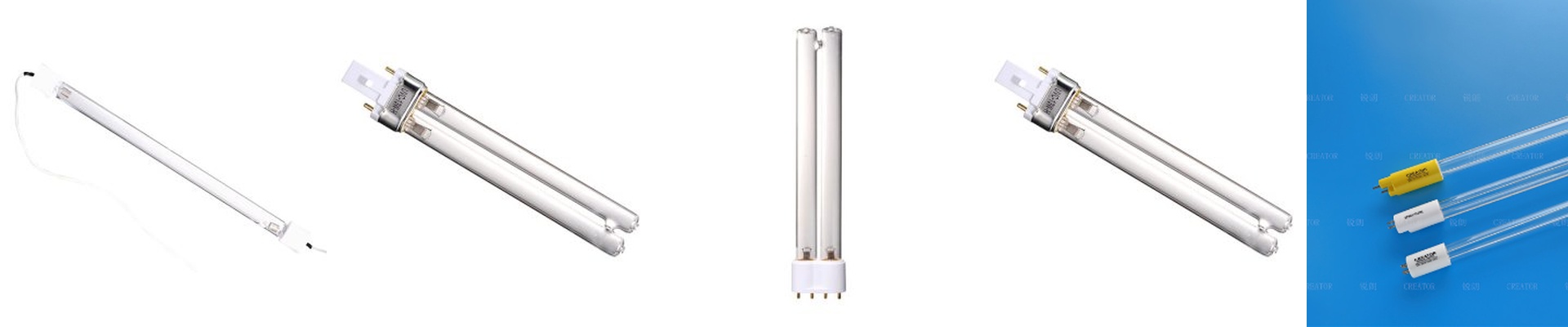
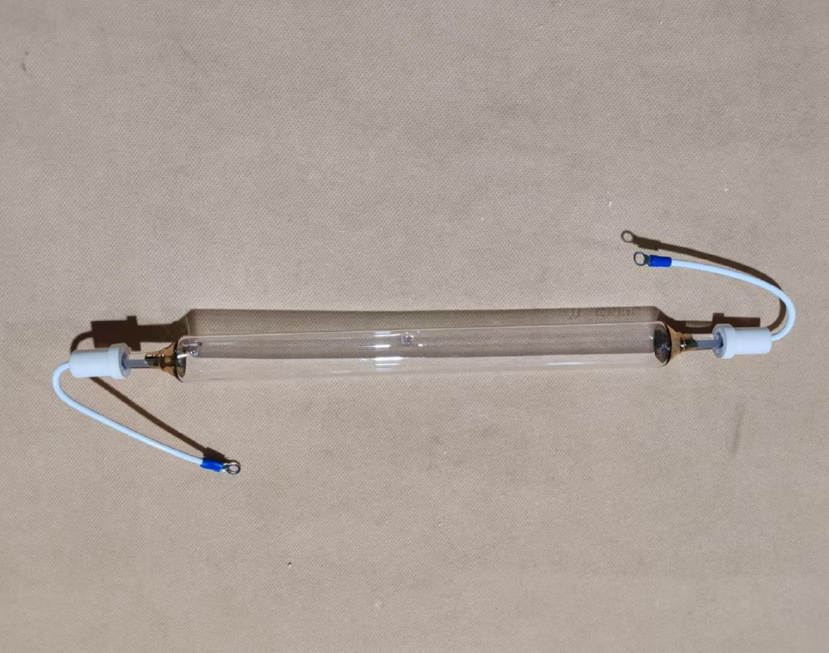
Why Gallium Iodide Lamps Are a Lifesaver for Thick Curing
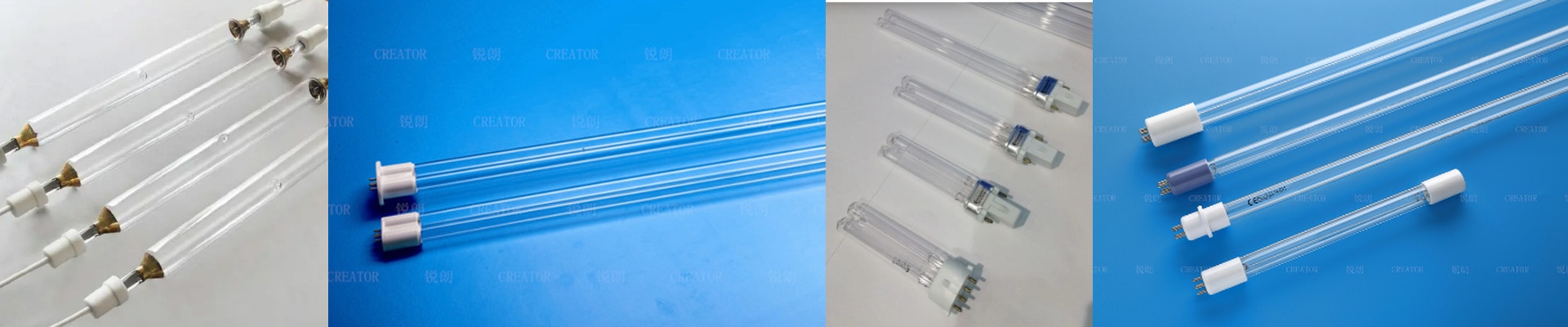
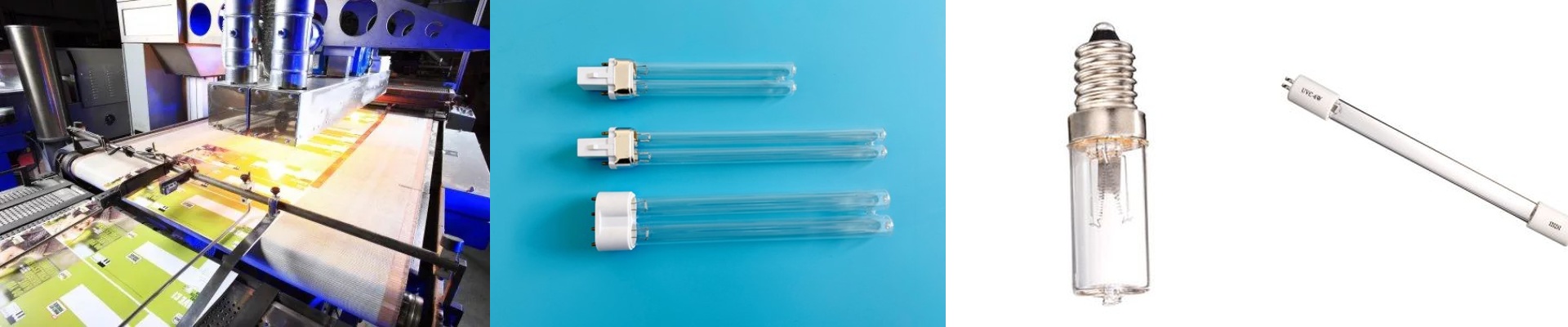
Ever dealt with that frustrating “skinning” effect in PCB fabrication? You know the one—the top of your photoresist looks perfect, but the moment you touch it, the bottom is still tacky. It’s a nightmare. Usually, it happens because standard mercury lamps just can’t punch through thick resists or specialized inks. They hit the surface and stop. That’s where Gallium Iodide (GaI) lamps come in. Instead of just hitting the surface, these lamps shift the light toward longer UV-A and UV-B wavelengths. Think of it as the difference between a flashlight and a spotlight that can actually reach the bottom of the coating. It triggers the polymerization all the way through, so you get a solid, uniform cure every single time. But here’s the catch: they run hot. Really hot. If you’re just swapping these into your conveyor system, don’t just plug and play. You’ve got to keep an eye on your thermal load. If your cooling fans aren’t dialed in, you’re risking substrate warping. Before you pull the trigger on higher-wattage GaI tubes, double-check your chiller. A bulb might fit the socket perfectly, but if the ambient heat spikes, you might end up damaging the PCB base material. It’s not worth the risk. One last thing—don’t treat these like your old bulbs. GaI lamps have a quirk. As the Gallium migrates over time, the light output shifts. This means your cure time can start to drift after about 1,000 hours. The best way to handle this? Keep a radiometer handy. Track your intensity and keep an eye on your line speed. The second that output dips below your threshold, swap the tube. It’s a lot cheaper to replace a bulb than it is to throw away a whole batch of scrapped boards.