
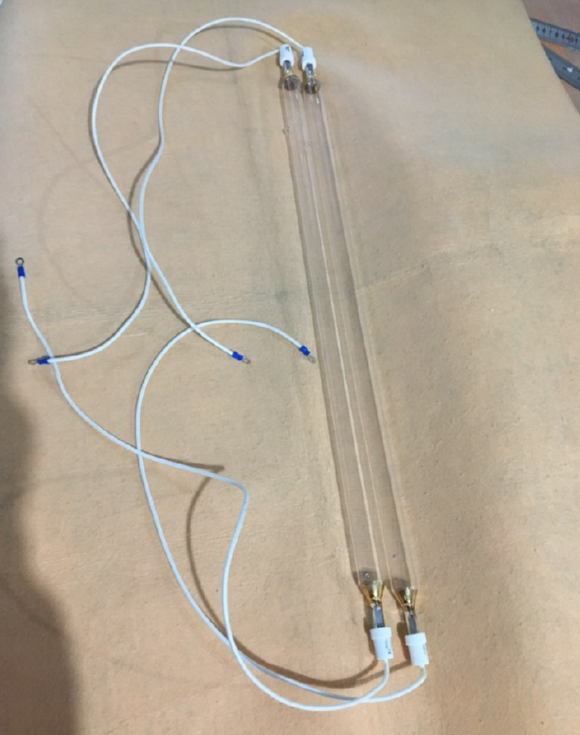
Getting Your Gallium Iodide Lamps Right
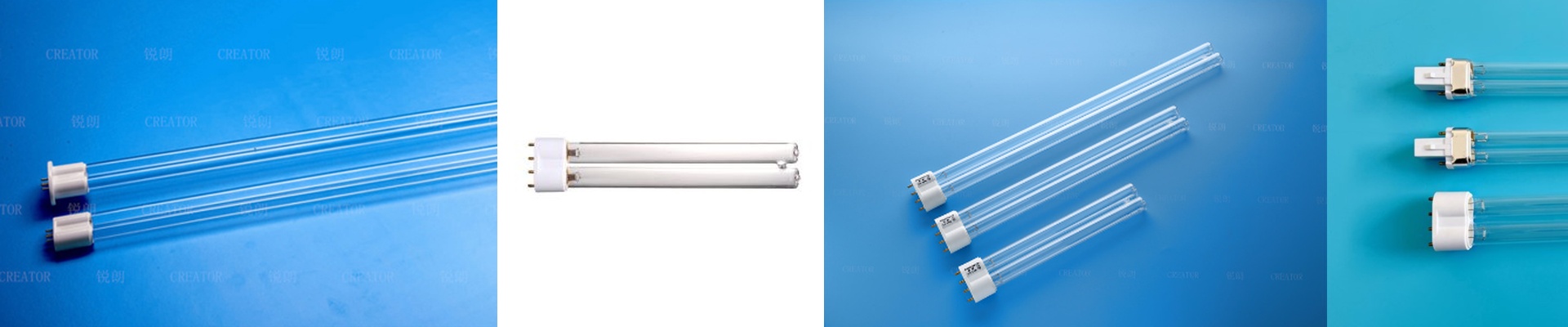
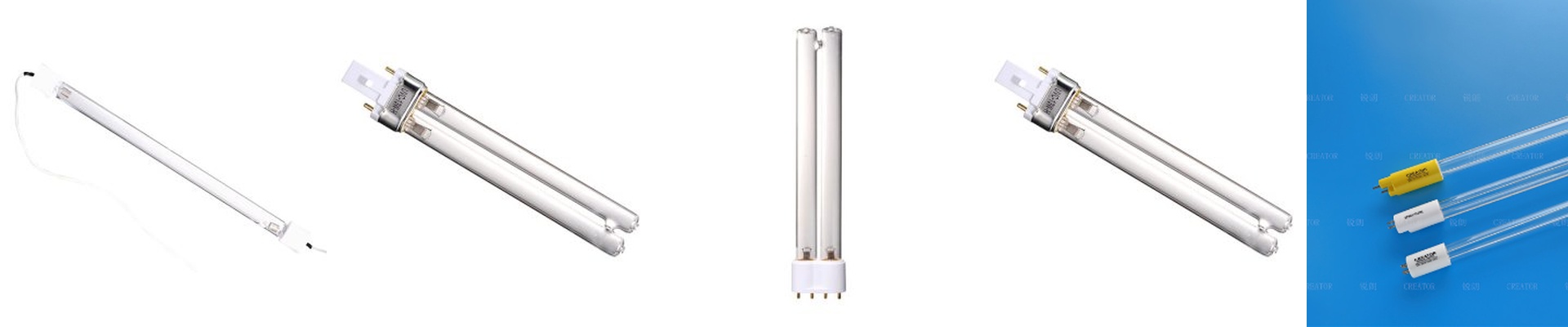
Let’s talk about Gallium Iodide (GaI) lamps. Basically, these things work by exciting gallium halide vapors to hit those specific UV and IR spots you need. The best part? We handle the entire manufacturing process ourselves. No middlemen, no third-party distributors adding a random markup just for moving a box from point A to point B. You deal with us directly.
The Technical Stuff (Simplified)
The real magic happens with the ratio of gallium to iodine inside the quartz. We can actually tune the fill pressure to shift the peak emission, depending on what material you’re working with. If you’re running high-wattage setups, you’ve got to keep your voltage stable. If you don’t, you’re looking at burnt-out electrodes. Now, if you push these lamps to the top end of their voltage spec, they’ll ramp up faster. Just make sure your ballast can handle those current spikes, or you’ll have a bad time.
Why the Glass Matters
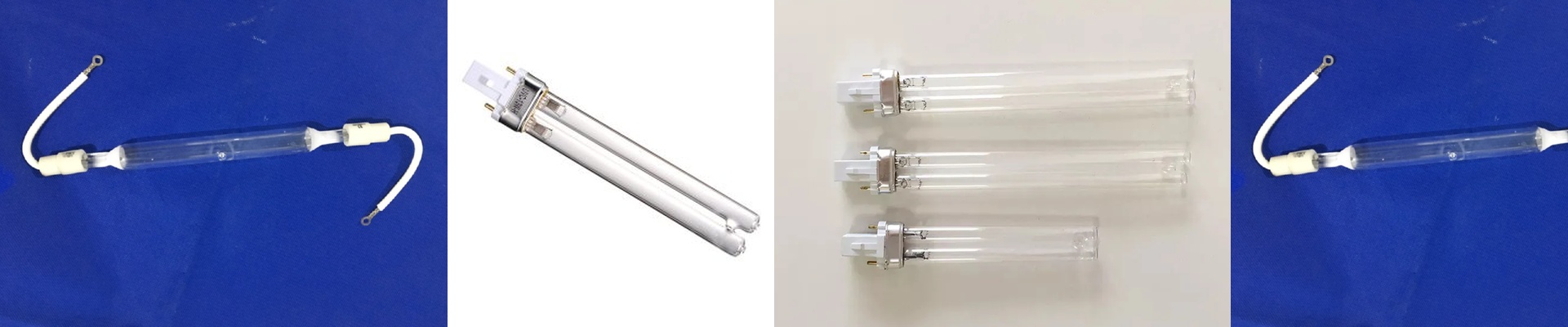
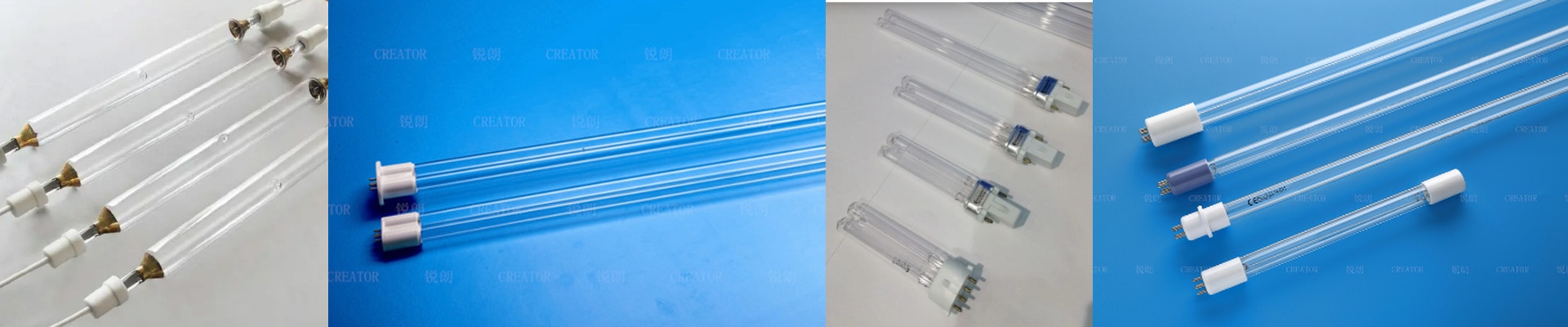
We use high-purity fused quartz because it’s the only thing that can really handle the internal pressure of the halide gas. Here’s the thing: most cheap lamps fail at the seal where the electrode meets the glass. It’s a common weak point. We use a specialized fusion process to lock that seal tight. Why? Because a tiny leak means the lamp loses its spectral profile and dies in a few hours. That’s a waste of everyone’s time. Plus, we offer different end-cap options so these just drop right into your current fixtures without a headache.
Performance Without the Price Tag
Since we own the whole line—from the raw quartz to the gas filling—we can keep the price low without cutting corners. You get the industrial-grade power you need, but you aren’t paying a “big brand” tax. One quick warning: these lamps gethot. Like, really hot. The UV output is what you’re after, but the infrared byproduct is a beast. You need to be smart about your cooling fans or water-jackets. If the housing overheats, that quartz is going to stress and eventually crack. We’ll give you all the raw technical data you need. That way, you can get your wiring and cooling dialed in perfectly before you even hit the first strike.