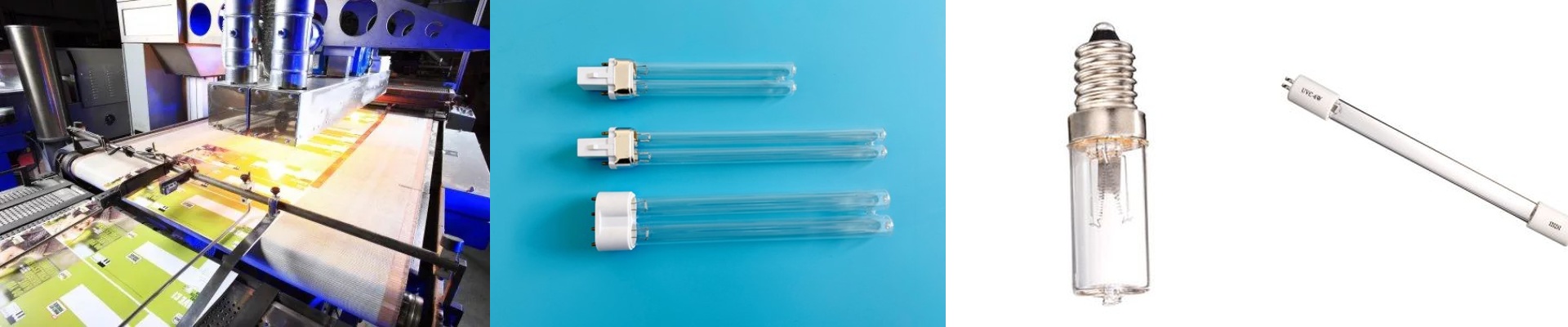
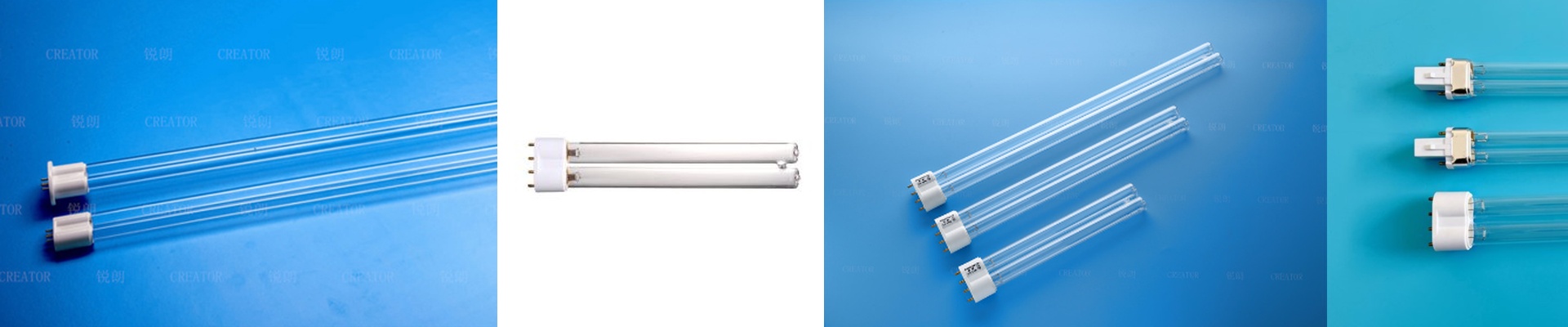
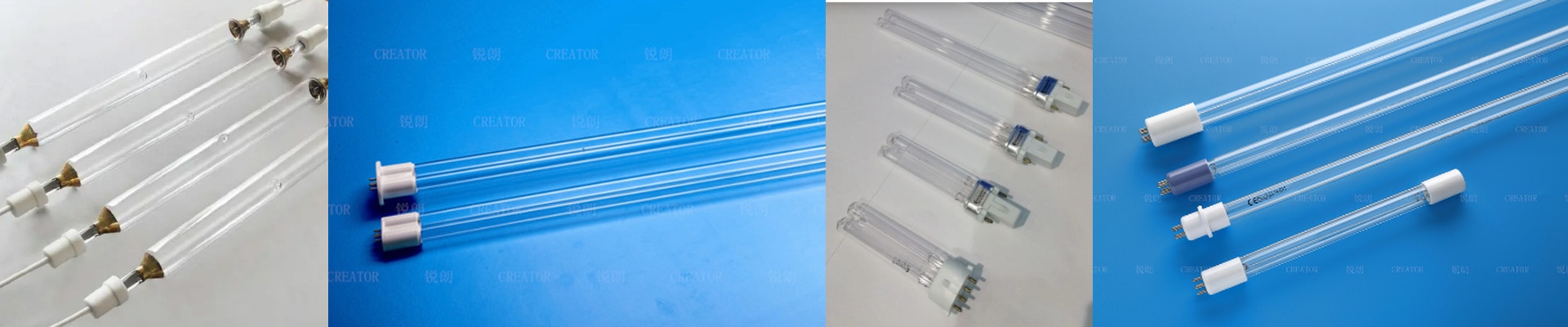
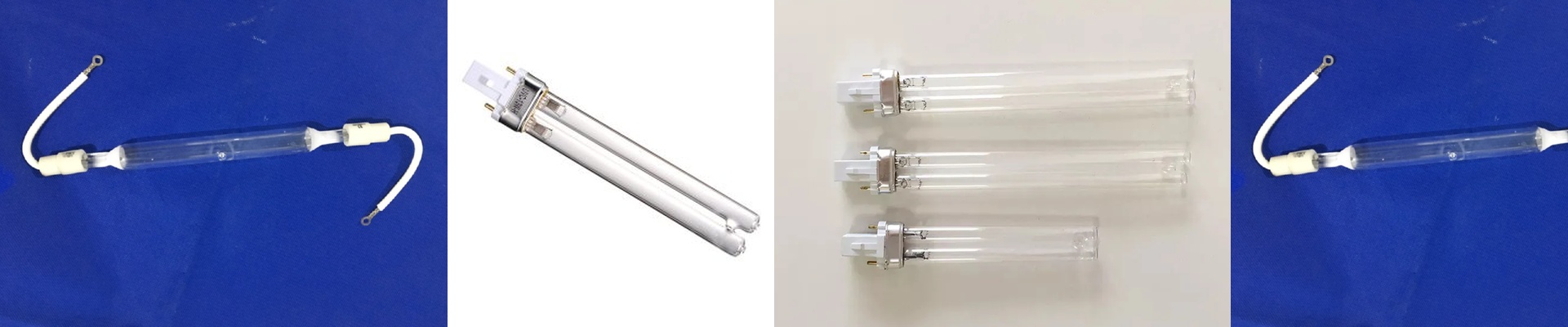
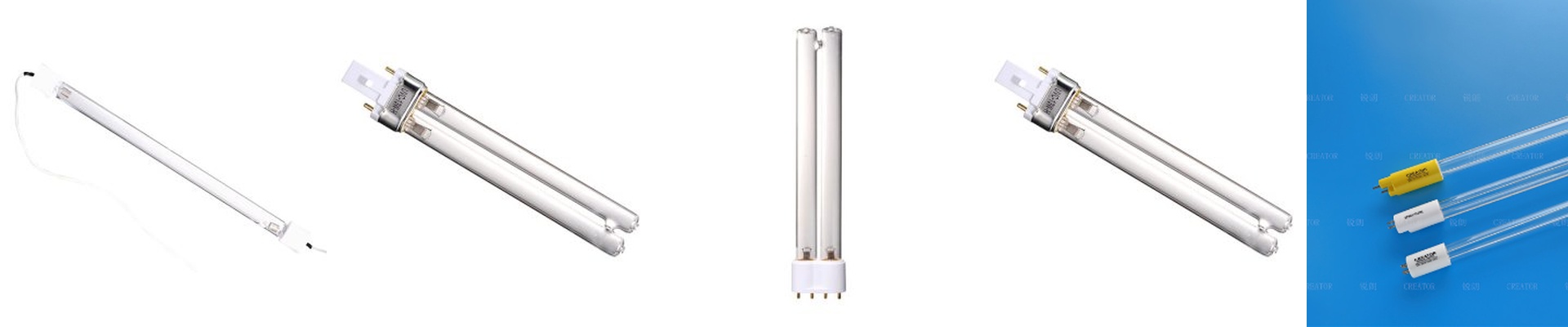
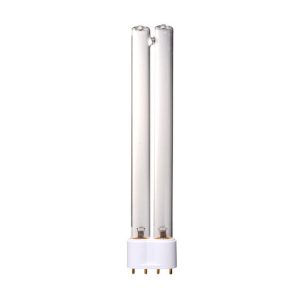
When the UV lamp on your M&R or KTK screen press goes down, the line stops. No ifs, no buts. Every minute of downtime is scrapped substrate and an idle press. We build our far-UVC lamps as a true 1:1 drop-in. Same footprint, same mount, same electrical interface as the OEM. Swap it in and get back to work—no re-engineering, no fixture headaches. What matters under the hood We deliver true far-UVC output centered at 222nm, from a filtered excimer source that blocks the hazardous 260–280nm band while keeping germicidal performance intact. The arc length, electrode spacing, and end-of-life ballast compatibility match your original unit, so peak irradiance and dose distribution stay consistent across the cure window. Output stays within ±3% over the full lamp life. The quartz envelope is chosen for high transmission at 222nm and real thermal shock resistance. Reflector geometry and dichroic coatings are held to the original tolerances, so you keep the designed reflectance profile and field uniformity. Why this plays on the press floor You get measurable gains where it counts. Consistent cure energy means fewer rejects, and predictable spectral output gives you proper photoinitiator activation without overcuring. Your process windows stay the same. Your line speeds stay the same. Your ink formulations stay the same. Energy draw tracks the OEM baseline, and lamp-to-lamp variability drops thanks to tight manufacturing control. The upshot: fewer surprise stops, repeatable adhesion, and stable cure density from the first sheet to the last. The practical details Before ordering, confirm the exact voltage, connector type, and reflector configuration—pin assignments and base orientation vary across M&R and KTK models. Always handle the lamp by the body. Finger oils on the quartz create hot spots and degrade output. Run it at the rated power and let it fully warm up. Dimming or cycling to save energy shifts the spectrum and shortens lamp life. When you replace the lamp, check the ballast for ignition voltage and current limits, and make sure your airflow setup still meets ozone handling requirements.